Clear scope before work starts
We explain what is contaminated, what can be cleaned, what must be removed, and the next steps to prevent recurrence.
Serving Durham, North Carolina & surrounding areas
24/7 Emergency Response
Mold Remediation · Durham, NC
If you smell a musty odor, see staining, or have had a leak, act quickly. Our certified technicians confirm the source, contain the area, remove contaminated materials when needed, and clean the air so your home can be used safely again.
Control the moisture first. Then contain, remove, clean, and dry the affected area.
When you search for mold remediation Durham NC, you want a straight answer about what is happening and a plan that stops the problem from returning. Mold is usually a moisture problem first. If the leak, humidity, or condensation source is not addressed, surface cleaning alone will fail.
Connect with an independent contractor offering residential mold remediation across Durham, including ZIP 27704 and nearby areas. Available services may include identifying moisture sources, containing work zones, removing unsalvageable porous materials when required, HEPA vacuuming and damp-wiping remaining surfaces, air cleaning, and targeted drying.
If mold followed a leak or flooding, a coordinated plan matters because drying, demolition, and remediation steps overlap.
Controlled remediation
Effective mold remediation is not a single product or a quick fog. It is a controlled removal and cleaning process designed to prevent cross-contamination and confirm that conditions are back to normal.
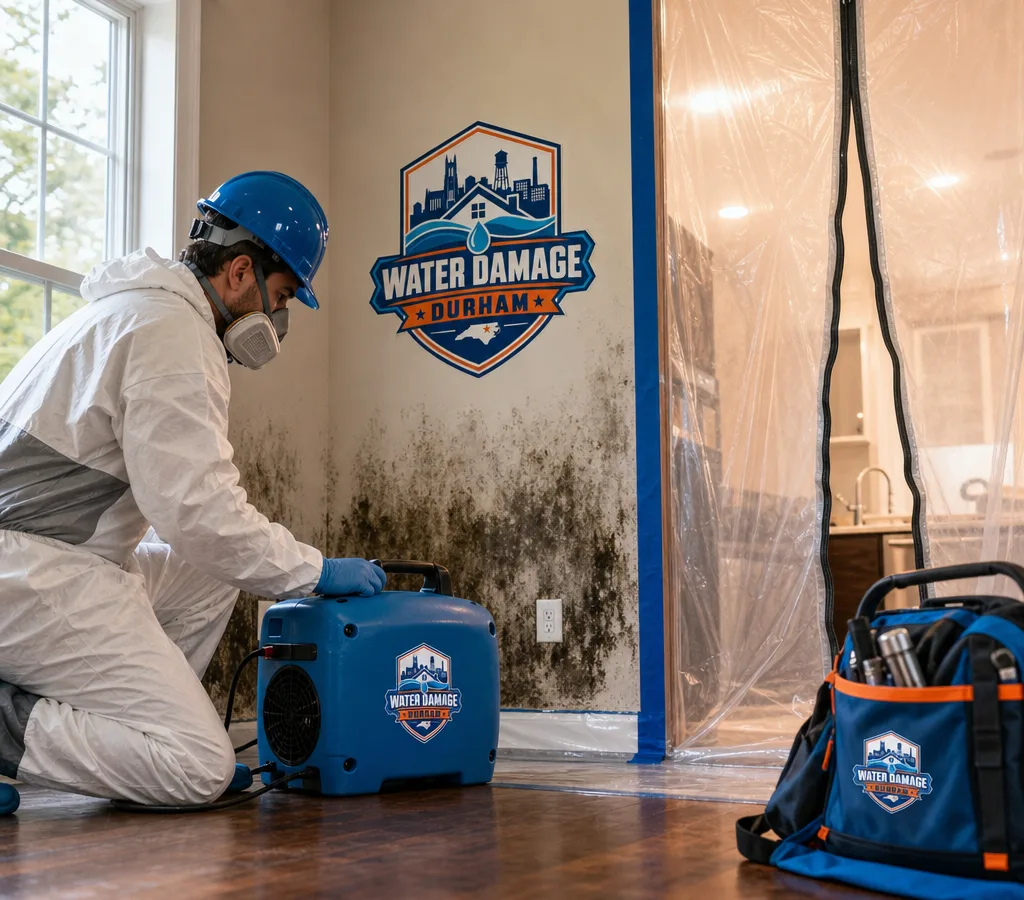
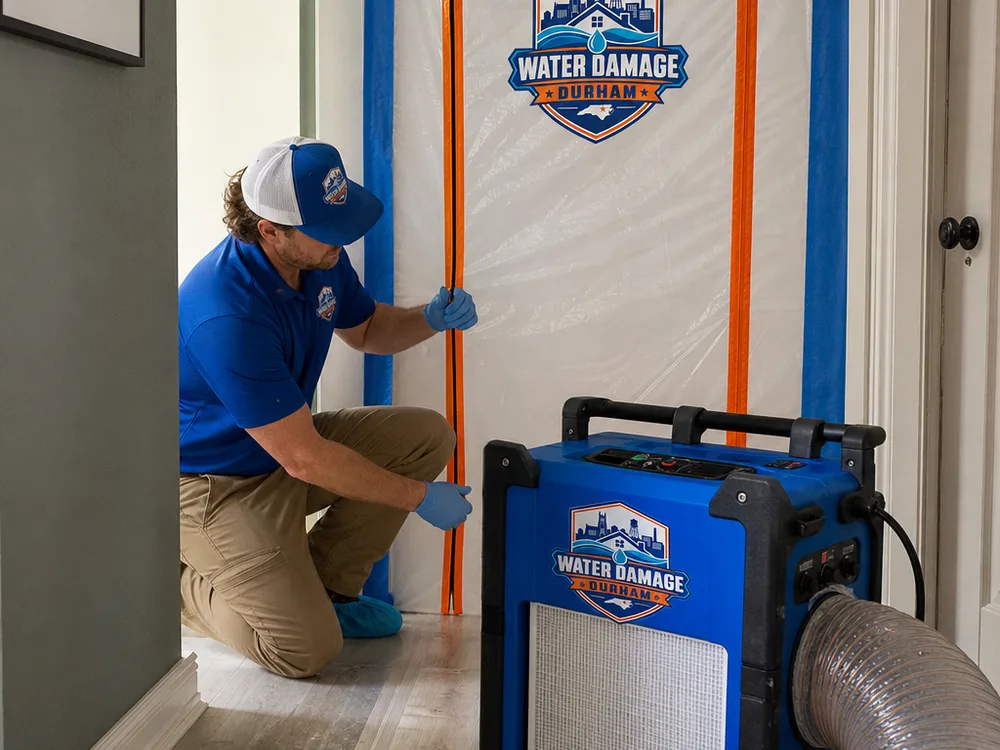
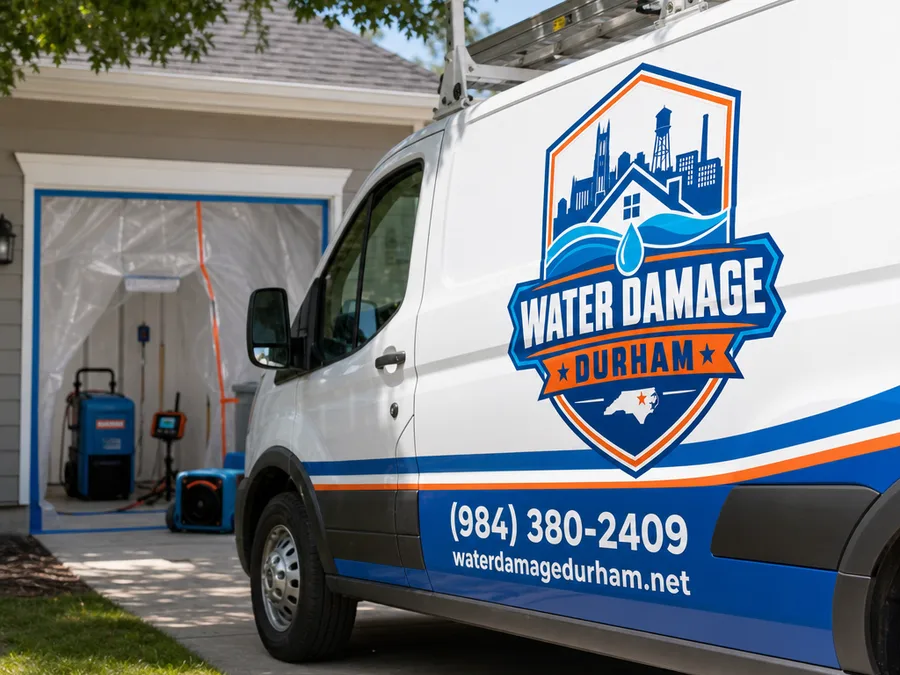
Containment and negative pressure: We isolate the work area with plastic sheeting and maintain negative air pressure when appropriate, so disturbed spores stay in the contained zone.
Source control: In Durham, mold often follows slow plumbing leaks, HVAC condensate issues, or crawl space humidity. We look for the moisture driver first because it dictates the scope.
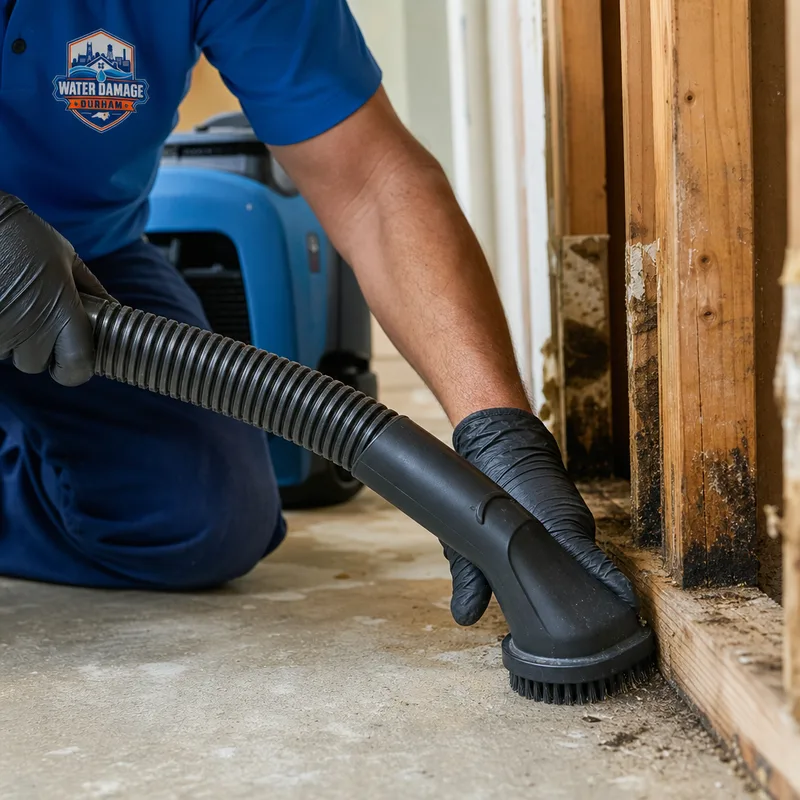
HEPA filtration and cleaning: HEPA air scrubbers and vacuums capture fine particles normal shop vacs and household filters cannot. Remaining surfaces are cleaned with methods matched to wood framing, concrete, or non-porous finishes.
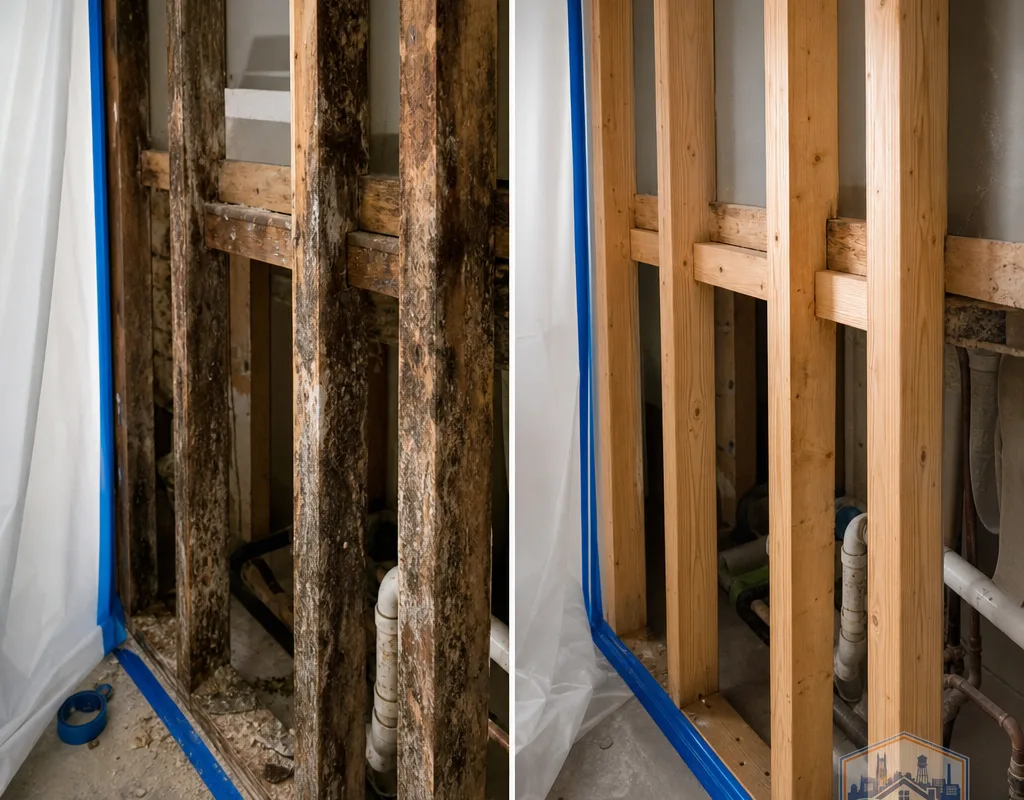
Removal where needed: Porous materials that are colonized usually cannot be reliably cleaned. When removal is required, we document what is affected and why.
Drying and humidity control: We monitor conditions so the space is dry enough to help prevent regrowth before the area is closed back in.
A defined scope
The work is organized around containment, material decisions, moisture control, and clear documentation.
Request Emergency ServiceWe explain what is contaminated, what can be cleaned, what must be removed, and the next steps to prevent recurrence.
Containment, HEPA air cleaning, and controlled demolition help keep spores and dust out of living areas and HVAC pathways.
Framing, masonry, and non-porous surfaces are cleaned to remove growth and residues rather than mask odors.
We look for conditions that allowed growth, such as condensation at vents, wet insulation, or crawl space humidity, and account for them in the strategy.
You receive straightforward notes on affected areas, containment, and what was removed or cleaned—helpful for landlords, property managers, or insurance conversations.
Controlled from start to finish
Each stage limits spread, addresses contaminated materials, and checks the moisture conditions behind the growth.
We inspect visible growth, odor paths, affected materials, and likely moisture sources to define the footprint instead of guessing from one spot.
We establish containment and negative air when appropriate, protect floors, and remove contaminated drywall, insulation, or carpet padding in a controlled manner.
We HEPA vacuum and wipe surfaces, apply treatment when appropriate, and run drying and dehumidification while monitoring moisture and humidity.
We verify conditions are ready for repairs and review any additional hidden issues before the scope expands or materials are closed back in.
Planning the scope
Mold remediation in Durham typically ranges from about $750 to $6,000+, depending on how much material is affected and whether removal is needed. A small, contained area may fall near the low end, while larger or multi-room projects with containment, demolition, and drying trend higher.
Final pricing depends on the size of the affected area, access in attics or crawl spaces, materials that must be removed, required air filtration, and moisture-control steps. The exact cost is confirmed after an on-site inspection and written scope.
Inside a controlled work zone
Questions before remediation
You typically need professional remediation when mold is on porous materials, growth recurs, or the affected area needs containment and HEPA filtration. Persistent odor, returning stains, or mold linked to active moisture are also reasons to schedule an inspection.
Most residential jobs take 1 to 3 days of on-site work, followed by additional time if drying or rebuilding is needed. Timing depends on removal, moisture-source repairs, and access in areas such as attics or crawl spaces.
A properly run job is designed to reduce spread through containment, appropriate negative pressure, and HEPA filtration. Spread risk is highest when contaminated materials are disturbed without these controls.
Yes, though these spaces often require more planning for access, containment, and humidity control. Durham crawl-space moisture can cause recurring mold, so the plan also considers how moisture enters or accumulates.
Not always. Visible growth and a clear moisture problem can often support a plan based on inspection findings. Testing may help with landlord documentation, property transactions, or clarifying whether an odor is mold-related.
Many projects can be completed while occupants remain if the work zone is isolated and traffic is controlled. If work is near bedrooms, involves HVAC pathways, or occupants have heightened sensitivity, practical exposure-limiting options should be discussed.
Start with an inspection
Share what you are seeing and where it is happening to request a connection with an independent local contractor. The contractor can schedule an inspection in Durham, explain the scope in plain language, and outline possible next steps.