Mold Remediation
Containment, removal, and cleanup to address mold growth and the conditions that let it spread. Built for situations where materials and air quality are both concerns.
Serving Durham, North Carolina & surrounding areas
24/7 Emergency Response in Durham, NC
Get leaks, floods, and burst-pipe damage dry and stable with careful extraction, documented moisture checks, contents protection, and a clear repair plan.
Stop the spread
When you're dealing with water damage in Durham, time and method matter. The first goal is to stop the source and prevent spread. The next is to dry the structure correctly, not just the surface, so flooring, drywall, framing, and insulation don't stay damp and turn into a bigger repair.
Local water damage contractors may handle the full water damage Durham NC workflow: emergency extraction, controlled demolition when materials can't be saved, structural drying with commercial dehumidification, and detailed moisture checks so you know what's actually dry. Services may also include practical next steps like contents protection—moving and wrapping furnishings—documenting affected areas, and setting expectations on what can be restored versus replaced.
Common situations we respond to include supply line failures under sinks, water heater leaks, overflowing tubs, toilet overflows, dishwasher or washing machine leaks, HVAC condensate problems, roof leaks after storms, and groundwater intrusion after heavy rain.
Explore Restoration Services
Containment, removal, and cleanup to address mold growth and the conditions that let it spread. Built for situations where materials and air quality are both concerns.
Targeted mold cleanup for affected areas, with careful dust control and disposal. Useful when you need the visible growth removed and the space made usable again.
End-to-end recovery work after a water event, including drying, repairs, and rebuild coordination. Designed to get the home or business back to normal condition.
Measured, careful recovery
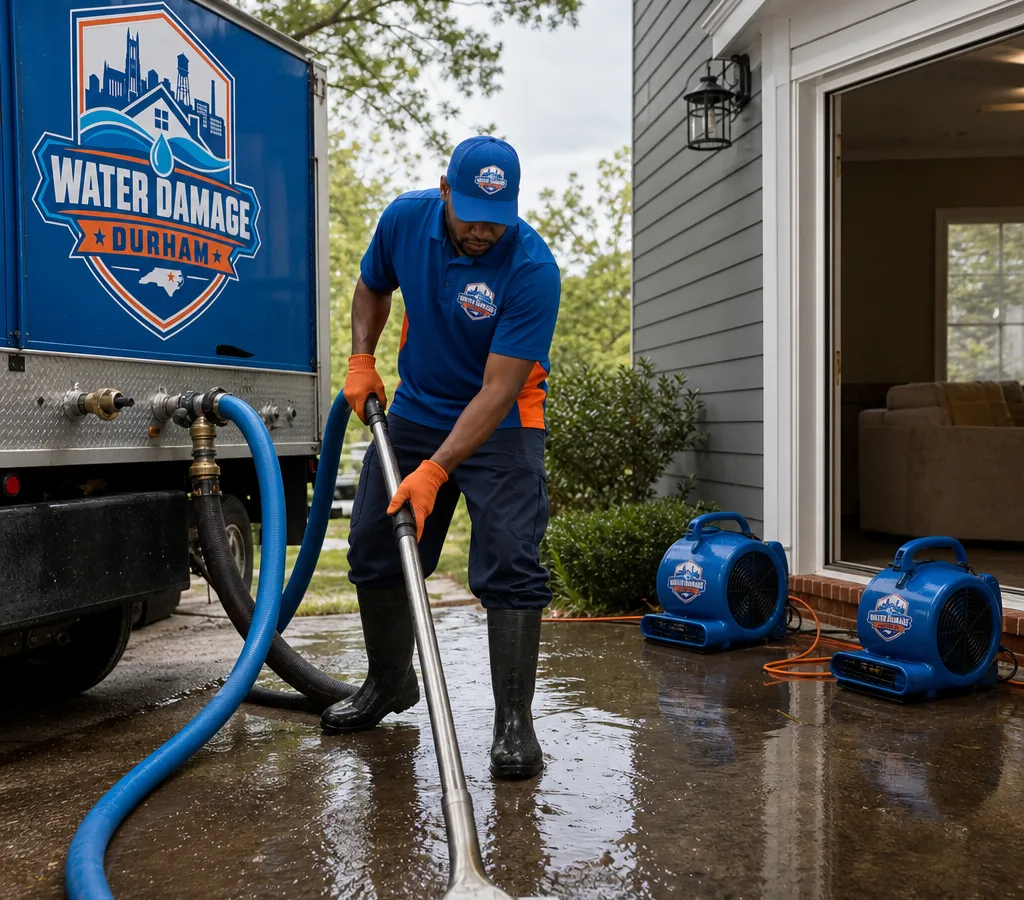
Standing water is removed first to reduce wicking into walls, cabinets, and flooring and to make drying equipment effective.
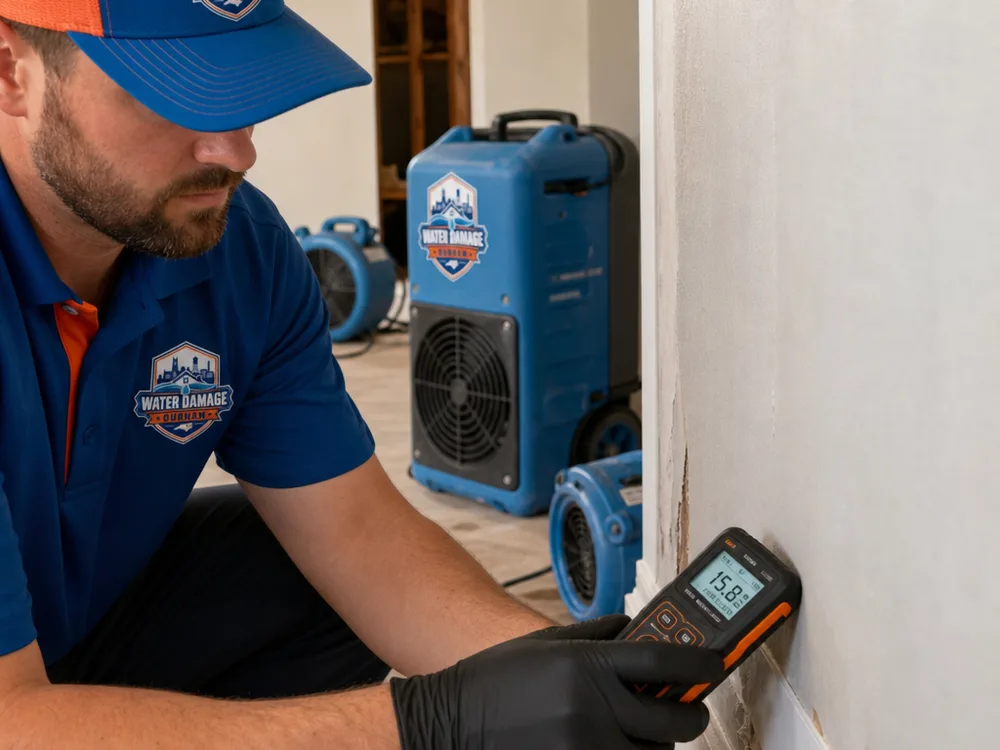
We track moisture in materials and focus drying where it's needed, including behind baseboards and in wall cavities when required.
When drywall, insulation, or flooring can't be saved, we remove only what's necessary so the rebuild stays contained.
We treat odor at the source and use appropriate cleaning steps for Category 2 or Category 3 water situations.
You get notes and photos of affected areas, equipment placement, and drying progress so decisions are easier.
Floor protection, dust control, and practical staging help keep daily life moving while work is underway.

Local property knowledge
Connect with an independent local contractor who can help get wet spaces dry, stable, and ready for repair. Contractors may serve Durham homes and businesses and address the details that matter during a stressful week: what needs to happen first, what can wait, what should be removed, and what must be proven dry before closing things back up.
Durham properties range from older homes near Trinity Park and Old West Durham to newer construction around Southpoint and Brier Creek. That mix includes plaster and hardwood that need gentle drying as well as modern assemblies where moisture can hide behind trim and under floating floors. A sound approach is to control the water, contain the mess, dry with the right equipment, and verify with moisture readings.
If you're unsure whether the damage is serious, it's still worth having it looked at. Small leaks can travel under flooring, soak insulation, or wet framing inside a wall without leaving obvious signs until odor or staining shows up.
Planning your cleanup
Water damage cleanup in Durham typically ranges from about $1,200 to $6,500 for many residential jobs, with small localized leaks often landing around $800 to $2,000 and larger multi-room losses with removal and drying more commonly $3,000 to $12,000+.
Your final price depends on how far the water traveled, the category of water—clean versus contaminated—how much material must be removed, equipment days for dehumidifiers and air movers, access to crawlspaces or tight cabinets, and how quickly the issue was caught. The exact cost is confirmed after an on-site inspection and moisture mapping.
From wet to verified dry
Each stage controls the immediate loss, supports effective drying, and creates a clear next-step plan.
We identify the source, check affected materials, and take readings to understand what's wet beyond what you can see.
We remove standing water, set up protection where needed, and stabilize the area to prevent further spread.
When drywall, insulation, trim, or flooring can't be dried safely, we remove and dispose of it in a controlled way.
Equipment is placed to match the loss, and we track progress with repeat moisture checks until drying targets are met.
We document dry readings and outline what repairs are needed next so you can move forward confidently.
If floors feel spongy, drywall is bubbling, or a musty odor follows a leak, get a professional assessment before the damage spreads.
Call Now · (984) 380-2409Local response
We serve the Durham, NC area with water damage response that fits the home's construction and the way moisture tends to travel in that part of town.
Answers before work begins
Response time depends on current workload and the severity of the loss, but we prioritize active leaks, standing water, and situations where water is still spreading. If you can safely shut off the water source and power to the affected area, do that first and then reach out so we can triage the job.
Yes, we work on homes and businesses. For commercial spaces, we plan containment and drying to reduce disruption and to protect adjacent suites, shared walls, and common areas.
Stop the water source if it's safe, avoid using outlets or rooms with wet ceilings, and move small valuables out of the affected area. If you can, take a few photos of the damage as found and avoid running the HVAC if you suspect water entered return vents or ductwork.
Often, yes, if the water is clean and the response is quick, but it depends on how long the materials stayed wet and whether water reached subfloor or toe-kicks. We check moisture in the wood and surrounding assemblies and explain what can realistically be restored.
Yes, we can provide documentation that supports a claim, including photos, notes on affected materials, and drying records. Coverage depends on your policy and the cause of loss, so we focus on giving clear job details that adjusters typically request.
The most reliable prevention is fast extraction, proper dehumidification, and removing materials that cannot be dried. We also verify drying progress with moisture readings instead of relying on how the surface looks or feels.
Start with a clear plan
Tell us what happened and what areas are affected. We'll walk you through immediate safety steps, schedule an inspection, and provide a clear scope for cleanup, drying, and the next repairs.